For ULBs & MRFs
Agnivex helps municipal bodies and MRF operators formalize low-value plastic streams, improve segregation quality, and convert waste liabilities into traceable feedstock revenue.
Start municipal discussion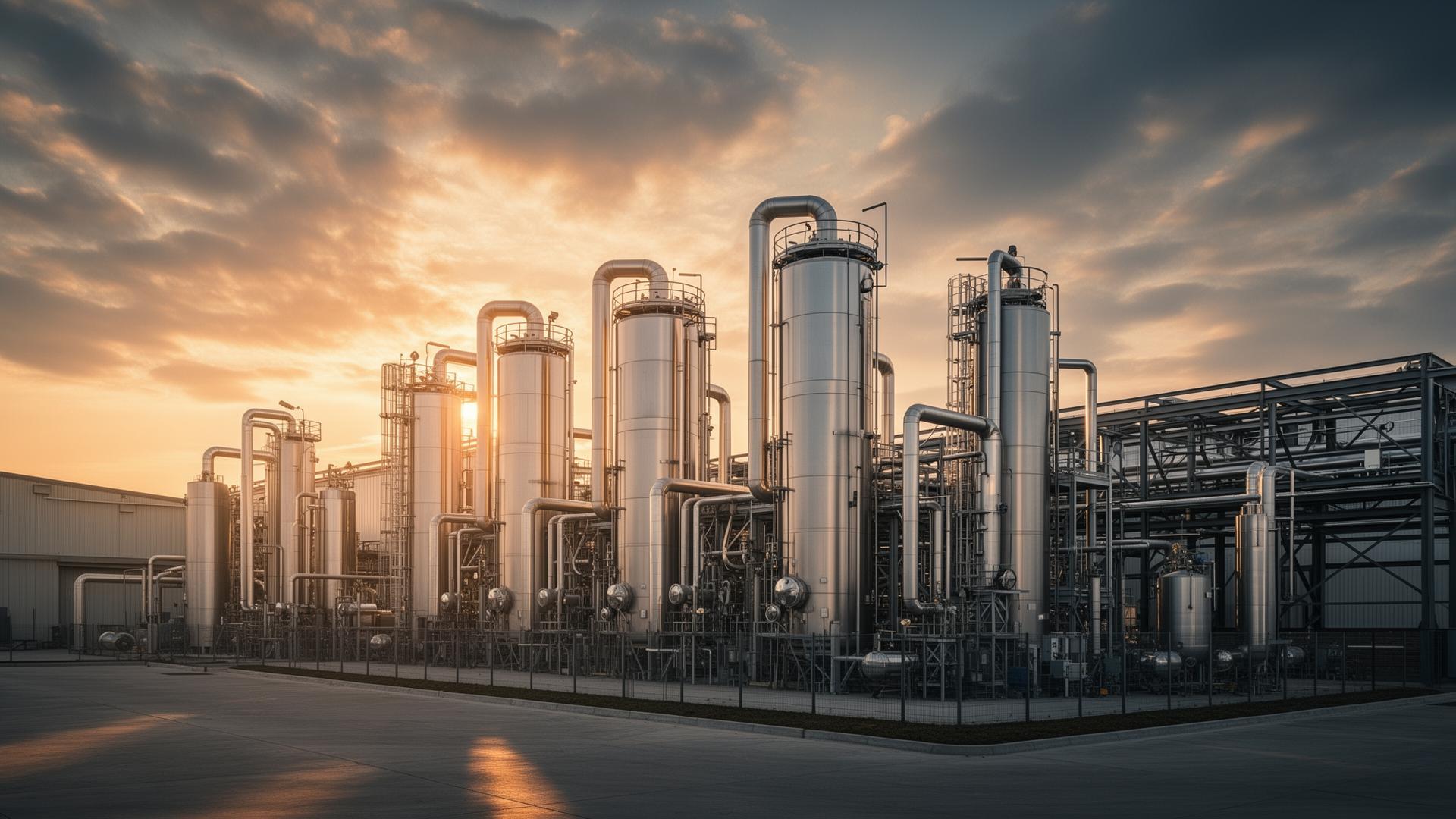
Cleantech · Circular Economy
We deploy AI-enabled optical sorting and large-scale pyrolysis technology to transform landfill-bound, low-value plastic into high-value fuel and refinery feedstock. Empowering ULBs, MRFs, and industries with data-driven traceability.
DPIIT Startup Recognition
Certificate No: DIPP276421 · Verified through the Startup India portal
Stakeholder pathways
Agnivex helps municipal bodies and MRF operators formalize low-value plastic streams, improve segregation quality, and convert waste liabilities into traceable feedstock revenue.
Start municipal discussionIndustrial buyers can evaluate recovered fuel products backed by documented sourcing, conversion records, and continuity planning across Agnivex's supply network.
Review fuel solutionsInvestors get a platform-level view of the circular fuel opportunity: feedstock access, regulatory tailwinds, operating partnerships, and ESG-linked reporting.
Open investor enquiryThe low-value plastic crisis
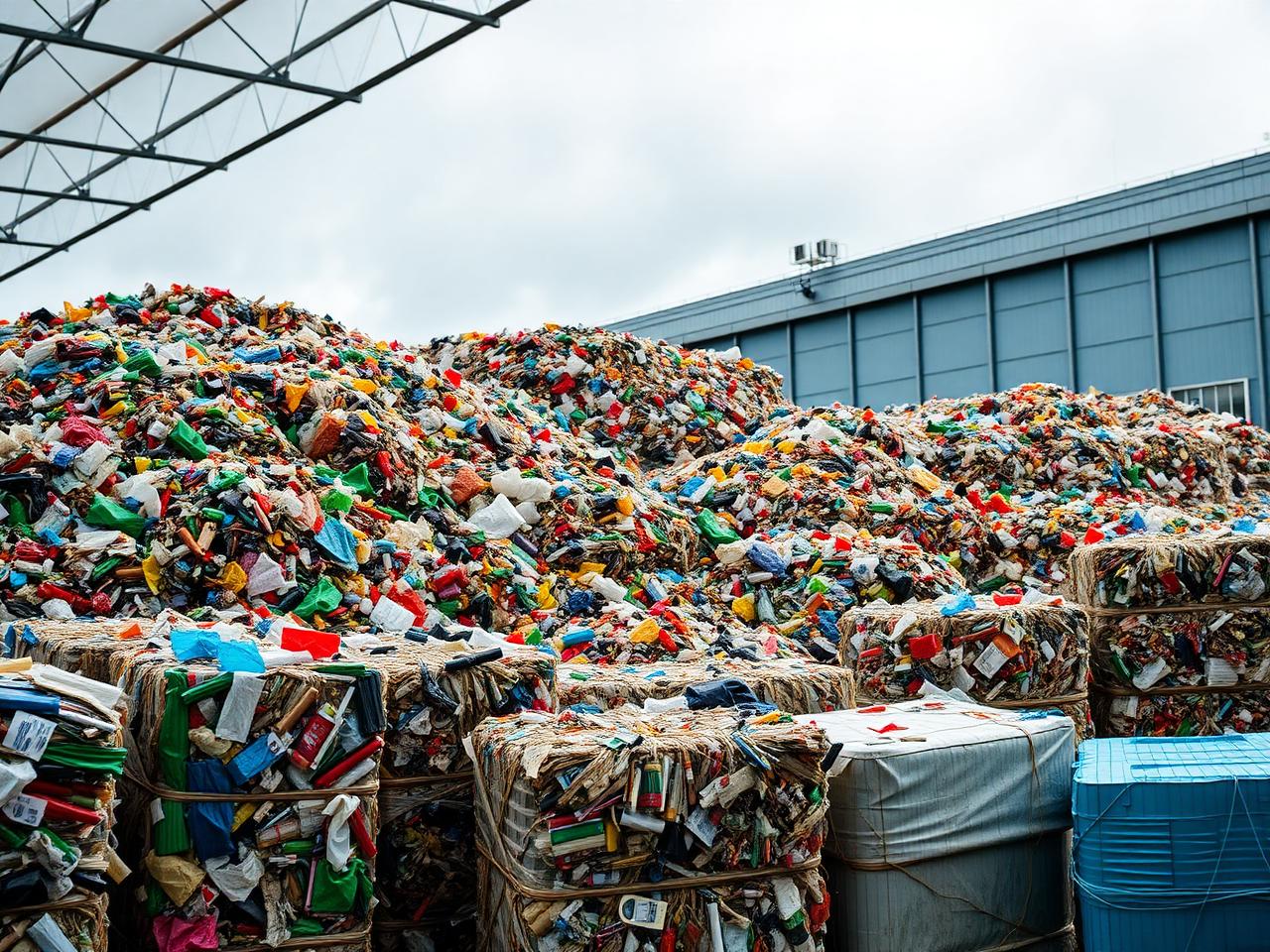
Millions of tons of low-value plastic are dumped into landfills or openly incinerated daily, destroying economic value and polluting ecosystems. Traditional waste models lack the technology, infrastructure integration, and financial incentives to recover it.
Agnivex changes this by orchestrating ULBs, MRF operators, industrial off-takers, and capital partners around one integrated circular infrastructure platform.
The 3-step integration loop
Deployed within municipal and private MRF infrastructure to extract high-purity low-value plastic from complex waste streams.
Recovered plastic is transformed at scale through optimized thermal conversion into high-value liquid fuel and circular feedstock.
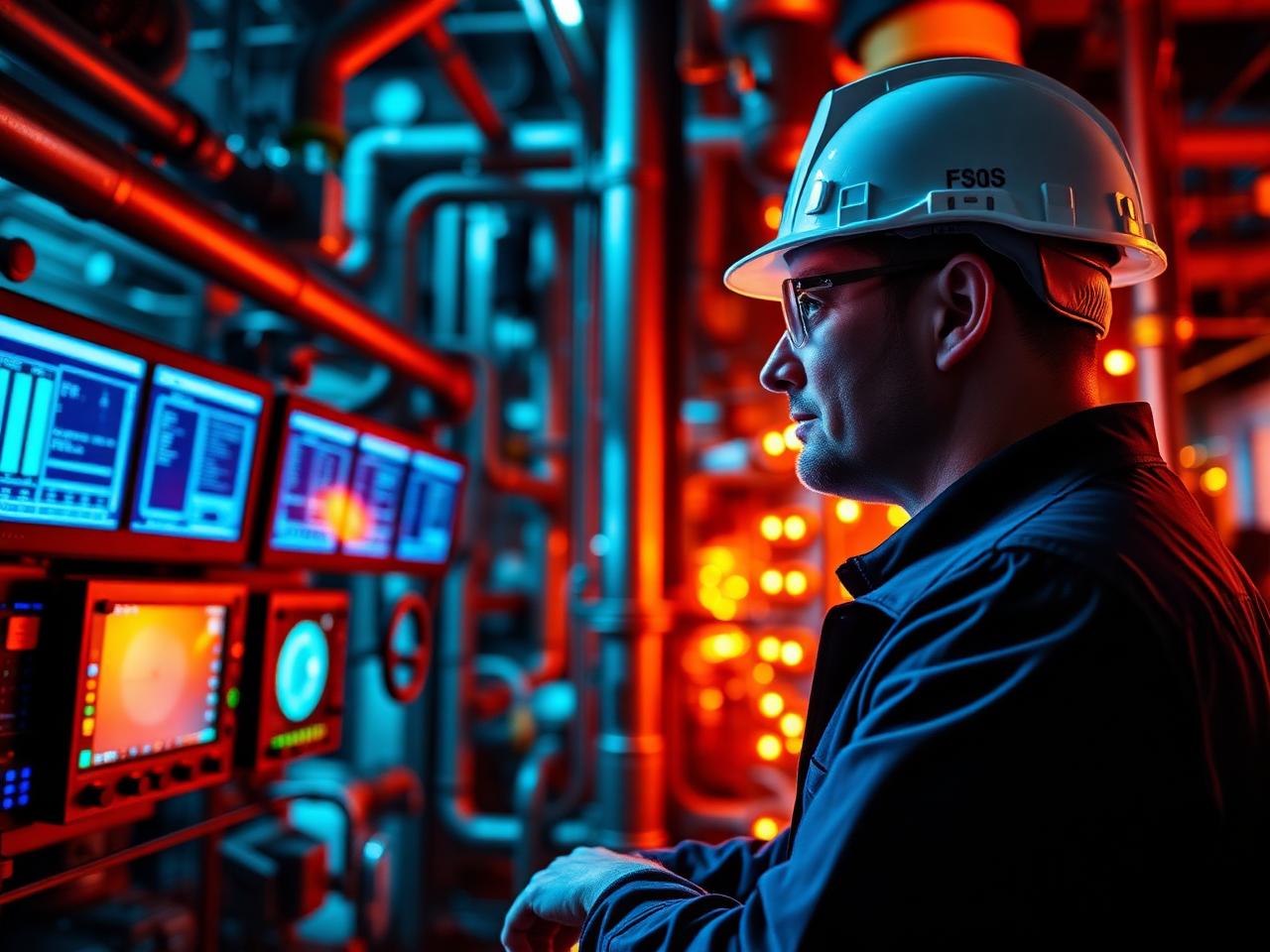
Data checkpoints connect municipal extraction, logistics, conversion, delivery, and EPR compliance into one auditable loop.
Recovered products
Liquid hydrocarbon fuel for industrial burners and refining.
Refinery-ready feedstock for further upgrading.
Distillate fraction for stationary and off-road equipment.
High-calorific fuel for cement and heavy industry.
Raw input for new plastics and chemicals — true circularity.
Non-condensable gases reused to power the plant itself.
How it works
Plastic waste from municipalities, industries, packaging & recycling partners.
Material is cleaned, shredded, and prepared for thermal conversion.
Oxygen-free pyrolysis cracks long polymer chains into smaller hydrocarbons.
Vapors are condensed and separated into distinct fuel fractions.
Non-condensable gases power the system, minimizing external energy use.
Industries we serve
Municipal Corporations
Waste Management
Petrochemical Industry
Industrial Manufacturing
Cement Plants
Power Generation
Logistics & Transport
Environmental Services
Triple impact
Diverts plastic from landfills and oceans, reduces pollution, and creates value from materials too difficult to recycle.
Converts low-value waste into revenue-grade industrial fuels — and lets municipalities monetize their waste streams.
Produces domestic fuel alternatives that reduce dependence on virgin fossil resources.

Measurable impact
Landfill diversion potential
LVP diverted per 100 TPD deployment
Traceable circular loop
Verified stakeholder sites targeted
* Figures indicate platform potential and target operating benchmarks.
We partner with municipalities, manufacturers and waste handlers to design end-to-end conversion programs.